Futurist Mysticism
Aesthetic Essays #04
Background
There is an aesthetic so dangerous and successful in inducing fear that it almost got erased off the internet and is today mainly associated with psy-ops and honey pots. But before Futurist Mysticism could be purged from social media, it inspired Christian orthodox and fascist aesthetics and shaped early vril edits that went viral on TikTok, spreading esotheric lore and far-right ideology to a whole new generation. It’s purpose has almost always been to recruit young radicals, but today, it’s mainly being used in niche online communities, for heavy metal and alternative art or sporadically by anarchists. It’s roots however lie in propaganda edits of the Islamic State in Iraq and Syria (ISIS).
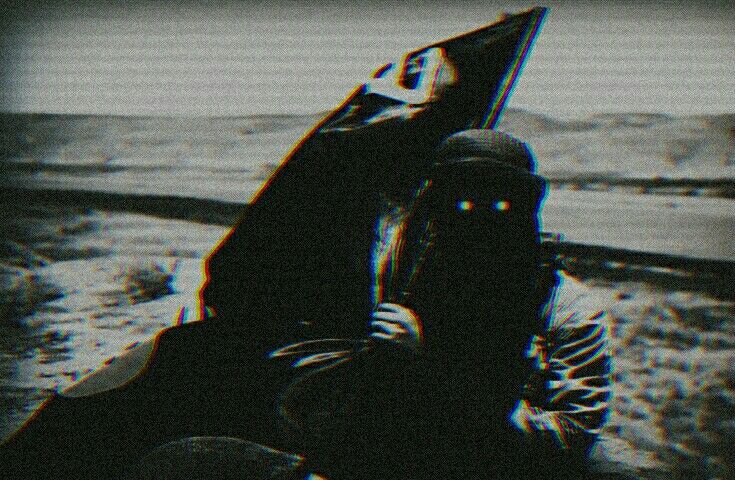
From a technical standpoint, these photos and short videos are not complex to create. Media with strong symbolism and implied violence gets formatted for social media and receives filters to make it look darker, less saturated, sometimes with grain, VHS or glitch effects. This can be done to any material depicting soldiers, flags or weapons, but the result will simply look corny and shallow if the effects, motifs and compositions are not chosen extremely precisely. So let’s take a more in-depth look at this aesthetic, how you can use it yourself and what it even can be used for.
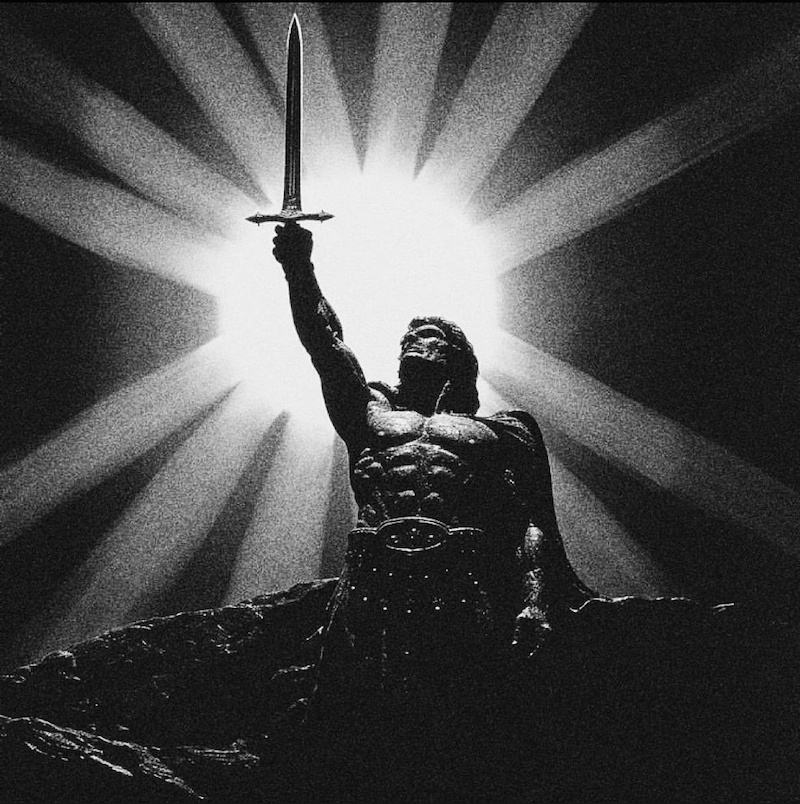

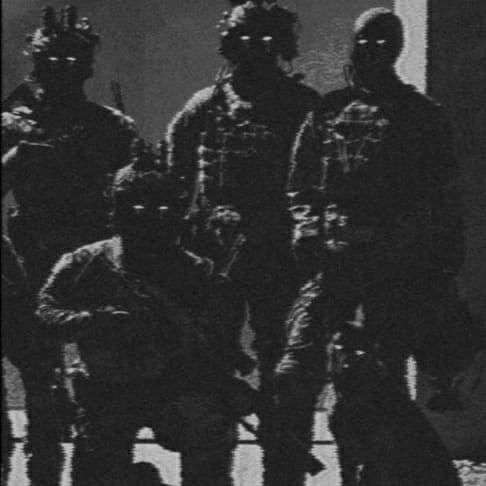
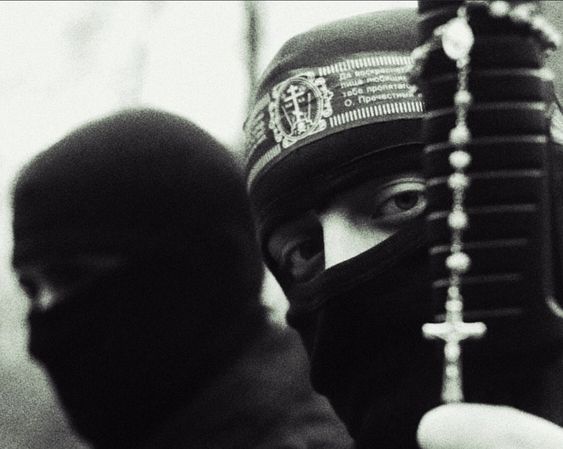
Scroll gallery to see more. Click on image to enhance.
Naming
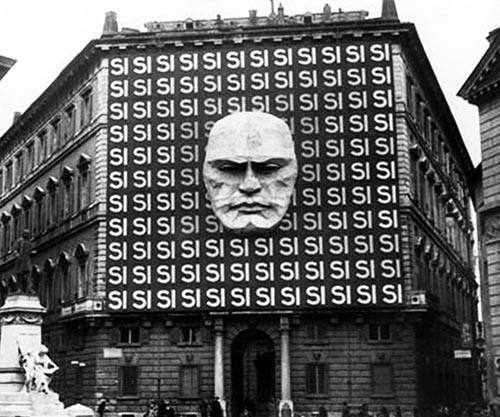
There are academic studies that compared ISIS propaganda to Italian Futurism – a movement embracing the strength, speed and violence of technological progress, which was extremely influential in the formation of fascism more than 100 years ago. It was also one of the first movements to combine aesthetics and politics seemlessly.
9. We want to glorify war — the only cure for the world — militarism, patriotism, the destructive gesture of the anarchists, the beautiful ideas which kill, and contempt for woman.
10. We want to demolish museums and libraries, fight morality, feminism and all opportunist and utilitarian cowardice.
Manifesto for Futurism, Filippo Marinetti, 1909
(co-author of the Fascist Manifesto, 1919)
Futurists, fascists and islamists all call for the total destruction of everything we are used to in favour of building something new, and all pioneered communication and propaganda. ISIS was present on all social media platforms and published multiple youth magazines with professional-looking design, but what we are looking at in this article is just a small part of all that. It’s extreme emphasis on strength, speed, sleekness and violence targets young males in the west specifically, turning regular European students into deranged suicide bombers.
But futurism is just one side of the coin. It’s radical progressiveness and goal of erasing history stand somewhat contrary to the conservatism of far-right and religious groups in the west. So it’s being combined with ancient history, arts and myths, creating a dream state which blends distant past and distant future. It all becomes one in this aesthetic of Futurist Mysticism, creating a unique perception of time and fate. Whether or not such a past actually ever existed or whether the future is realistic is not relevant – it’s just a myth. What’s central though is that we are currently living deranged from God, nature, spirituality or our human roots, and that violence is the only way to escape this sinister present state. It makes it's viewers feel like all this ancient history built up to the moment they live in right now, and that it’s up to them to fulfill the prophecy. It feels empowering and eye-opening to consume this media, and that’s what makes it so addictive and dangerous as well.
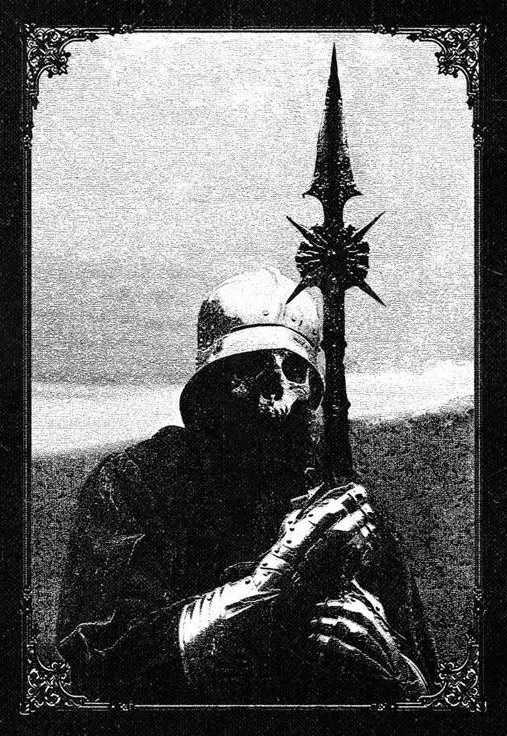
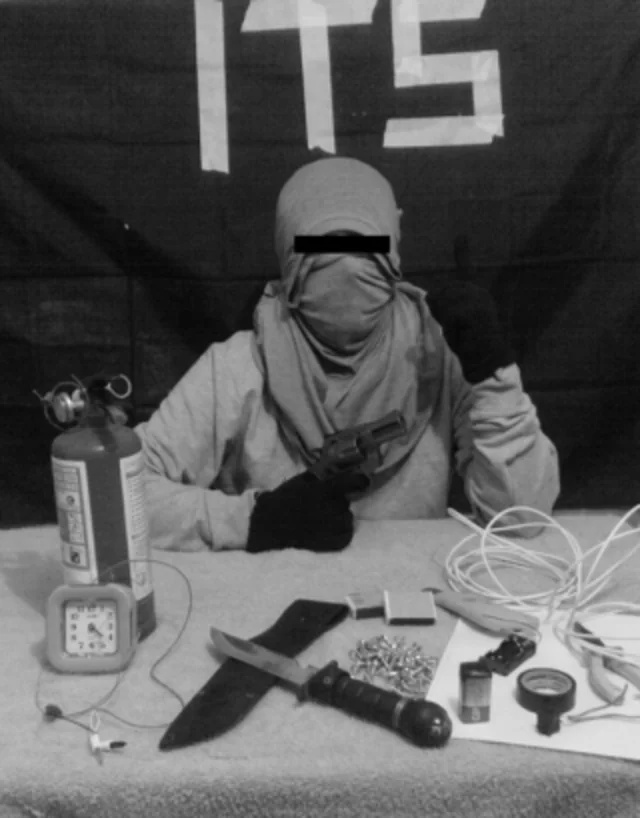
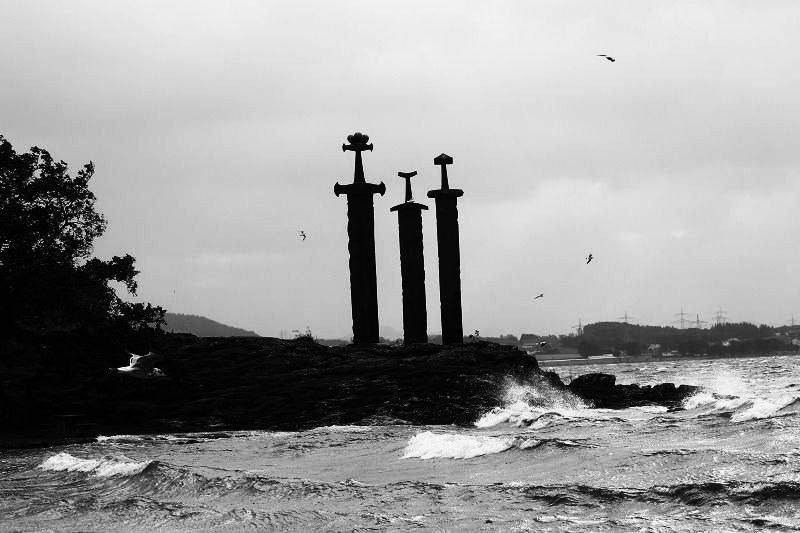
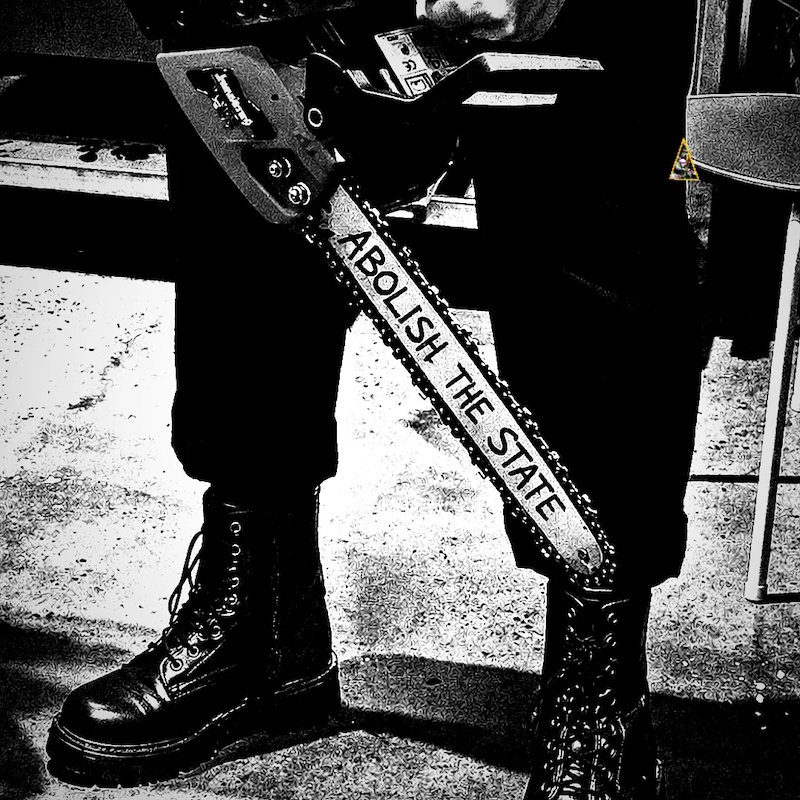
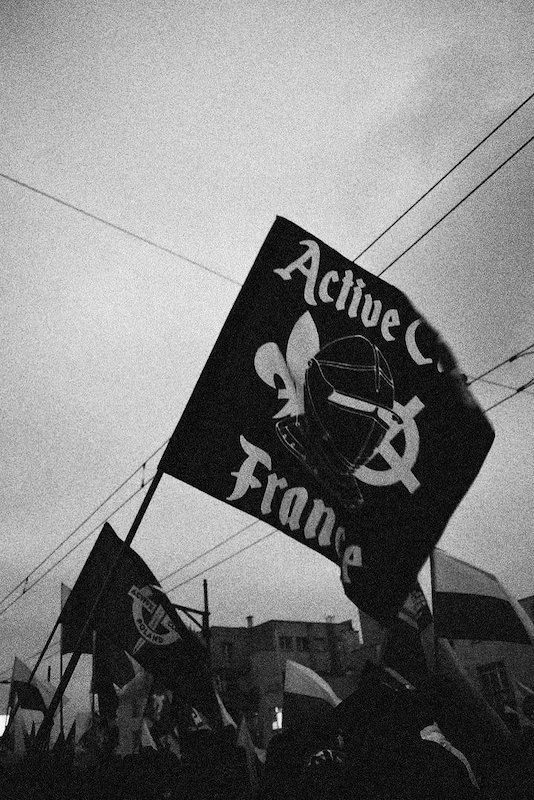
Characteristics
- Futurism: motifs of high technology, speed, violence, war and survival are being embraced. This includes vehicles, weapons, clothing or just an overall modern or sci-fi-look.
- Mythicism: ancient mythologies, stories and symbols are being shown as if they were contemporary and real, alive and fully intact.
- Anachronisms: Futurist, mystic, modern and mundane present elements appear at once and are often directly connected to each other. The time in which an artwork is set is unclear and unimportant.
- Human protagonists: humans, hands, or sometimes human-like figures, tools or vehicles stand at the center. Rarely anything else can be seen and the background is kept simple or empty.
- Underlying agenda: everything follows an underlying philosophy or ideology, pushing certain values or perceptions. All motifs, texts, symbols and even the exact editing style have to fit this philosophy precisely. A call to violence is implied.
- Light and shadow: dark settings symbolize the sinister world we live in right now. When effects or symbols are added on top, they are white and glowing to signify a shimmer of hope.
- Low fidelity: images are almost always black-and-white, dimly lit, with heavy grain or other noise textures put on top of them, sometimes additionally with retro filters like glitches or VHS effects
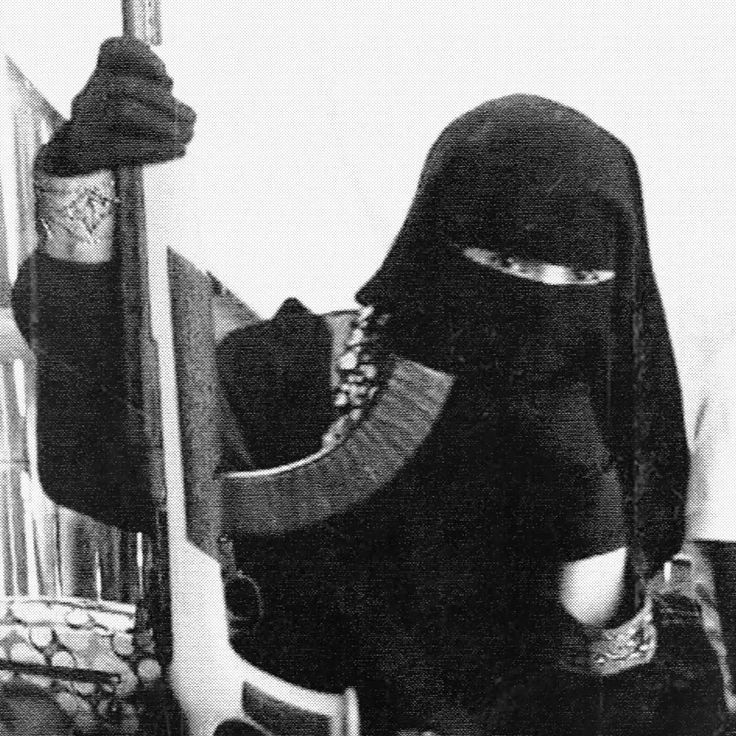
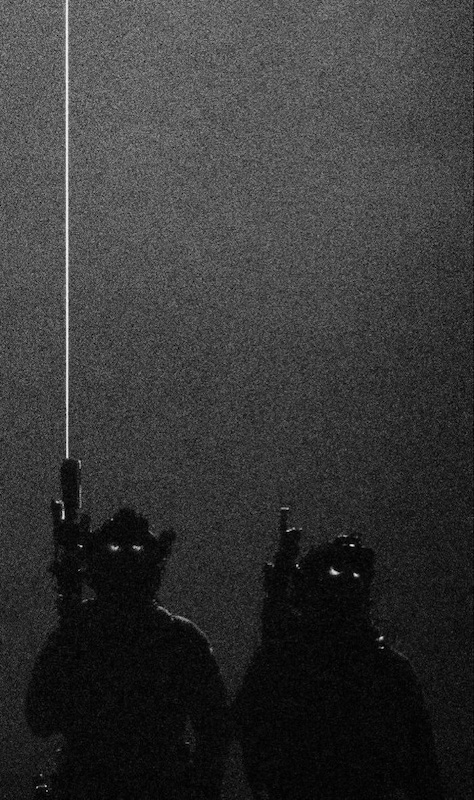
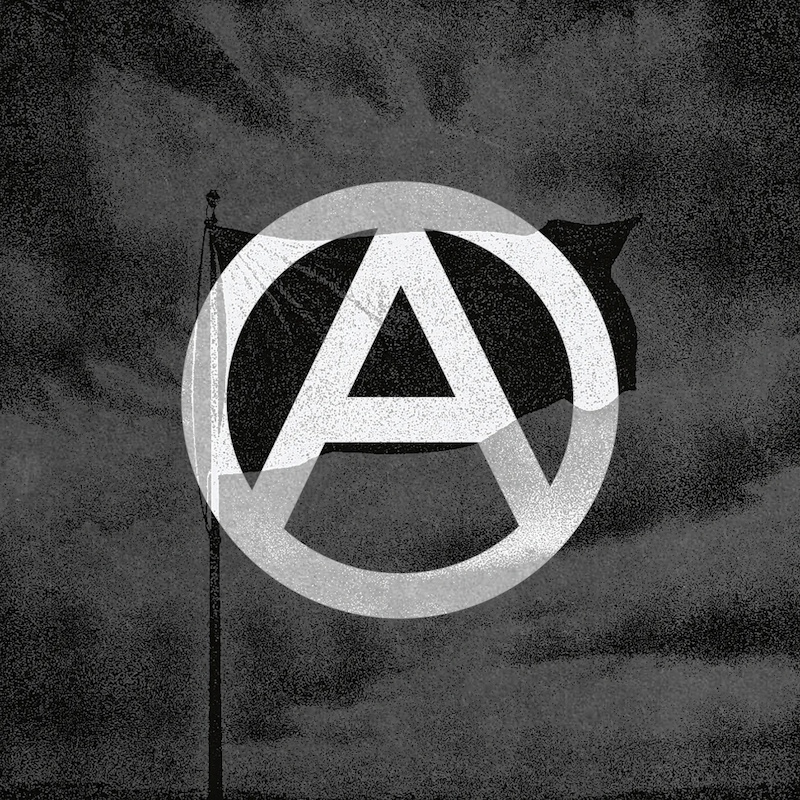
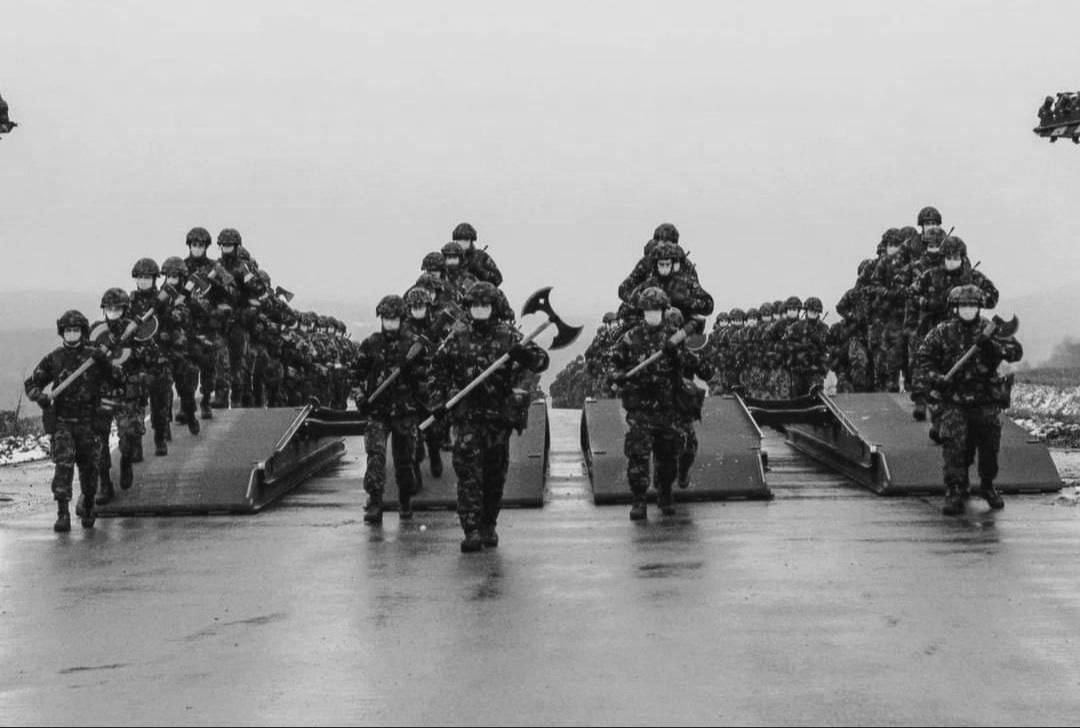
Appliance
Determining the motif for your media depends entirely on the topic or themes you want to present. But it’s not as easy as in regular Insurgent’s Aesthetic, where an authentic image with certain symbols in it does the job. Instead, images may be staged, heavily filtered, cropped or cut out, as long as the original version is of high quality and bears a kind of beauty and sleekness according to the philosophy behind it. Protagonists are being presented as surreal, superhuman and undefeatable, which again, other than in the Insurgent's Aesthetic, makes it hard for people to sympathize or identify with the them, except for a small group of violent youths.
When creating such media yourself, your best shot is to search video material published by militias or insurgents for curious or impactful scenes, take a screenshot and crop everything out except for one single item or protagonist. Even before selecting, applying and fine tuning low saturation, high contrast, glow effects and overlays, it needs to be a strong, emotional image. If you decide not to add text or symbols on top, it’s meaning might not even be obvious, as media is completely removed from it’s original context and stripped down to a single point of view.
To this day, this aesthetic remains popular in certain online fascist communities. But the vast majority of the movement has moved on to newer, more family-friendly looks, just like Islamists did after ISIS propaganda had been purged off social media by western governments. Today, Futurist Mysthicism can be found in very different niches, of which all follow their own agendas. Above all, it’s orthodox Christians, metalheads and anarchists putting their own twists on in.
One recent shift in philosophy has reached all of these communities though: a step back from misogyny and towards the inclusion of strong women. In ISIS propaganda, women have already been displayed with weapons, but not fighting alongside the men. But when regular Kurdish women in feminist militias defeated ISIS, it became quite obvious that they can be associated with strength and power as well. Even fascists started to include not only beautiful, but also strong women when their target audience grew and female far-right influencers became successful online. In all other communities, women have been presented alongside the men early on.
Speaking of Kurds, there are examples of them picking up Futurist Mysticism themselves, just like Irish republicans, Ukrainian militants and many other resistance groups. It makes a lot of sense for them, as they engage in old, but ongoing struggles. However, the wave of content that spread across all online extremist communities a couple of years ago did not last for long. For one, there was not enough material being produced to keep it going, as high quality sources are required. Many also got tired of it quickly. But in most cases, people mistrusted this hyper-violent look and feared it was a government psy-op infiltrating or manipulating their groups. There's a big chance that this was actually true for many of the Telegram channels that popped out of nowhere, posted high-quality and hyper-violent content without any real ideological input, and then disappeared only months later.
What remains unclear is whether or not Futurist Mysticism can work without violence entirely – as long as the other criteria are still given. Christian orthodox edits are some of the older ones, where mystic and violent elements can be found in biblical stories and the prophecy of armageddon together with complex symbolism and iconography, making a direct call for violence unnecessary. This works for almost all Christian and Muslim denominations, since they offer a huge spectrum of violent and non-violent themes and motifs to choose from. The same goes for heavy metal and alternative art communities, who are oftentimes appropriating these symbols.
Last off we have the broad spectrum of anarchism, where this aesthetic gets blended with black-and-white grunge, punk and hand-drawn elements a lot. Through these adaptations, associations with other communities become less obvious. Their mythos is a time when instead of capitalism, colonialism, technology, full-time jobs, landlords and police, there was and will be flowers and mutual help amongst neighbours. It works well for apolitical, ecological and primitivist anarchists, while no form of socialism and communism ever managed to make Futurist Mysticism work for them. The amount of depicted violence varies a lot: sometimes, well-known terrorists and resistance fighters are being shown and idolized. Often, weapons are central in these images. But usually, violence is not shown directly, only being implied by the omnipresent thought of revolution. In short, there is no family friendly version of this aesthetic. Through violence it receives depth, and without it, it’s nothing but black-and-white photography.
This text is part of our Aesthetic Essays series, where we discover and analyse niche aesthetics so you can use them for your own projects. To find out why we write these essays and under which criteria we select the aesthetics, read our Manifesto for an Aesthetic Warfare.