Insurgent's Aesthetic
Aesthetic Essays #01
Background
People love insurgence. All of us had a rebellious youth and some stayed rebellious all their lives, but even conservatives and reactionaries tend to sympathize with some group of militiamen, partisans, guerillas, rioters or protestors. The image of people rising up to challenge authority is engraved into our history and culture. But what makes us differentiate insurgents instantly from military, police or other armed forces? And how is it that groups from all across the political spectrum manage to profit from this aesthetic?
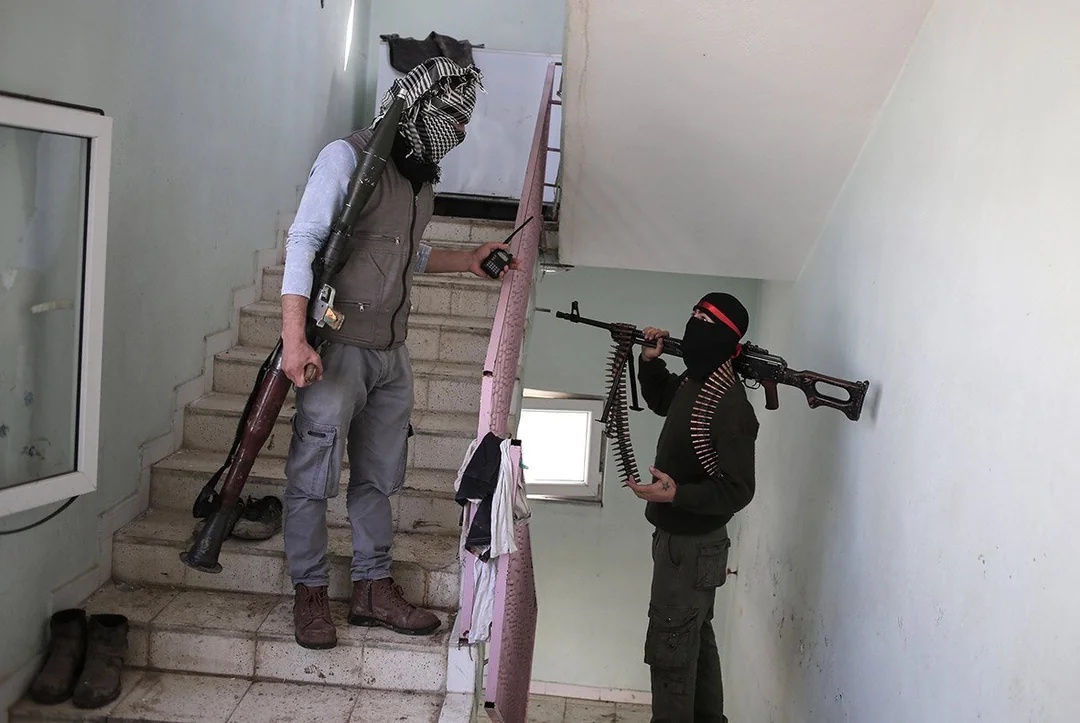
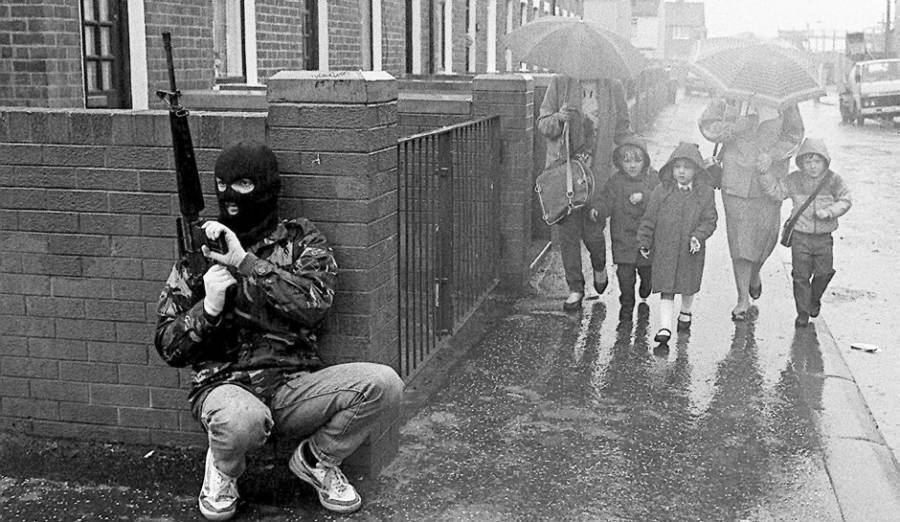
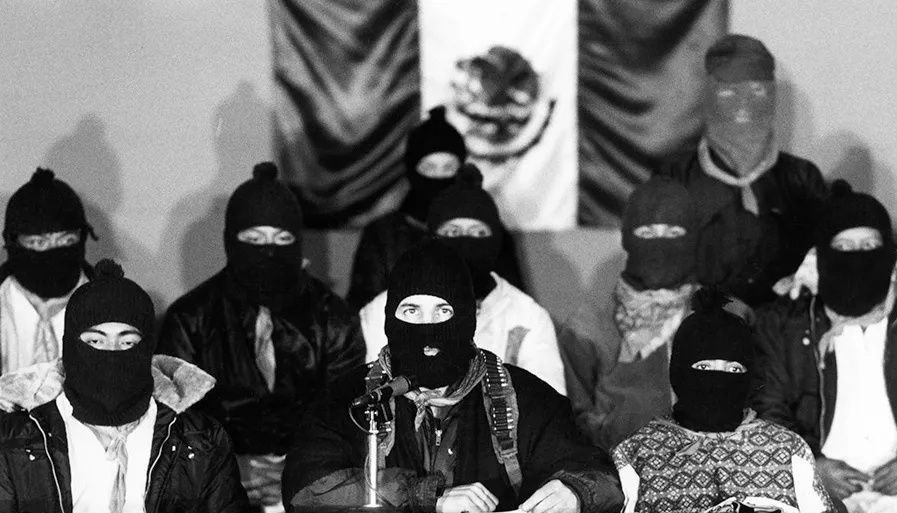
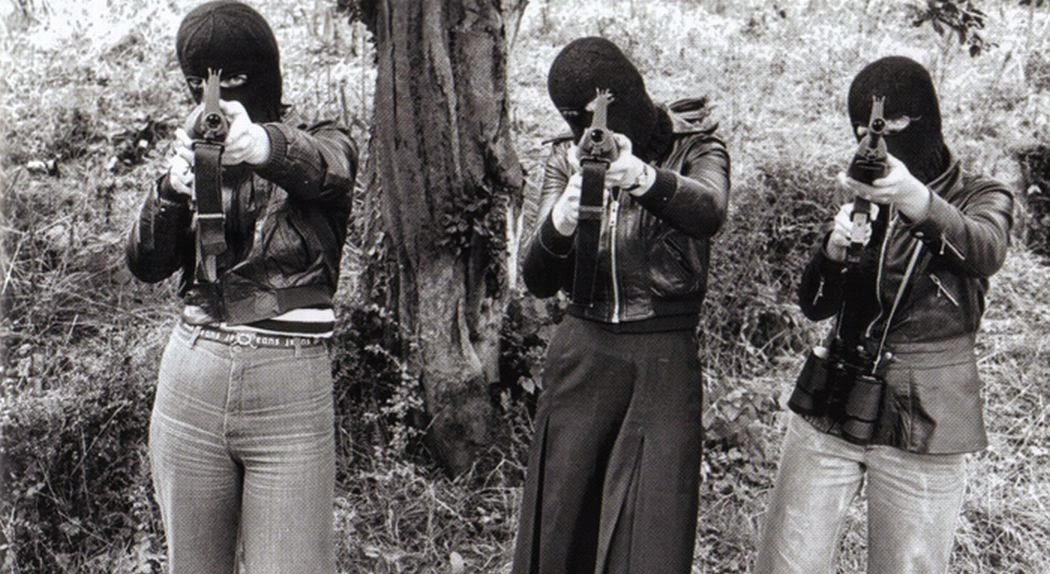
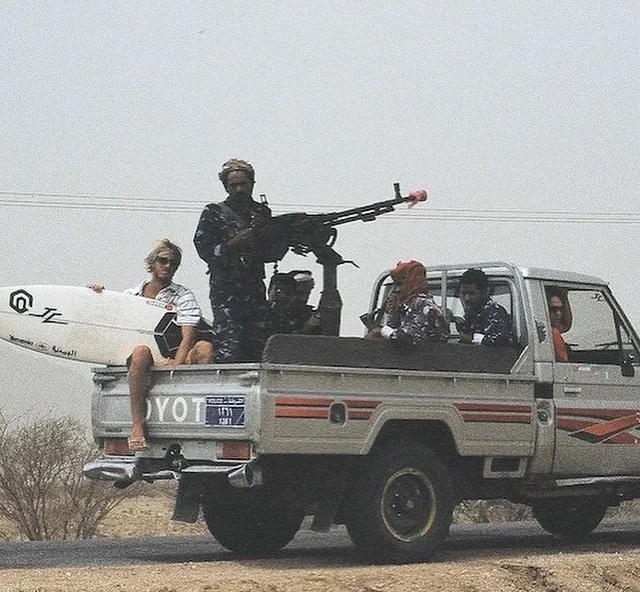
It’s hard to say when use of this aesthetic or insurgence started, but one of the earliest examples are the Irish Republican Armies during the Troubles, starting in the late 1960s. With cameras and CCTV spreading, militants had to start covering their faces, while photos of them spread quickly around the globe. More than that, semi-uniform, semi-improvised clothing, weapons, explosives, tools, tech and vehicles shaped their appearance. Nothing is perfect, everything is disposable. There's no decor besides heavy use of symbolism and logos, especially in self-released print media. It was an equally fitting look for other stateless nationalist movements like those in the Basque Region, Palestine or Corsica, from where it spread quickly to other socialist groups in Europe and all across the world, and can be seen in Balochistan, Kurdistan or Chiapas up to this day. Islamist groups in the Middle East developed their own variant, using Islamic symbols, traditional face scarves and Toyota pickup trucks, and so did far-right Westerners for their lone wolf terrorist attacks by incorporating fascist elements. Less violent examples include black block riots or the almost cyberpunk look of Hong Kong protestors in the mid 2010s.
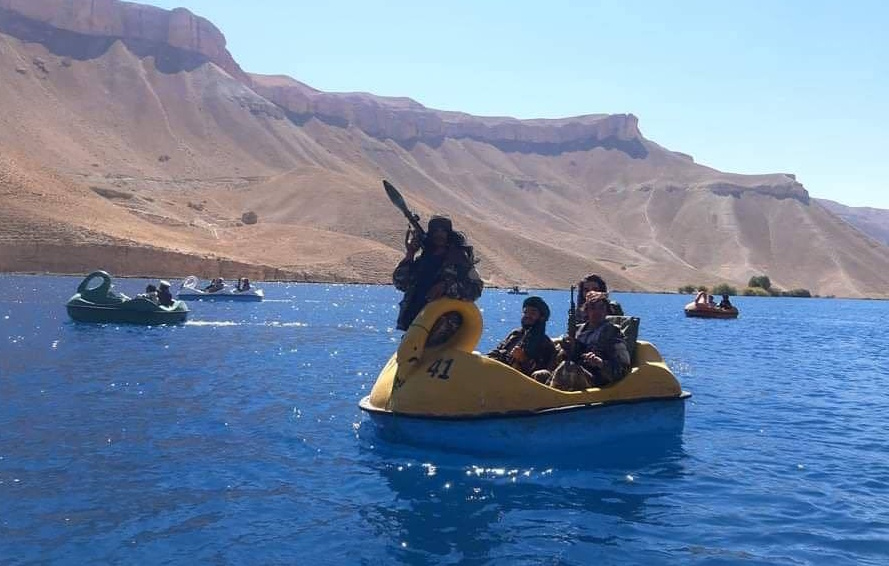
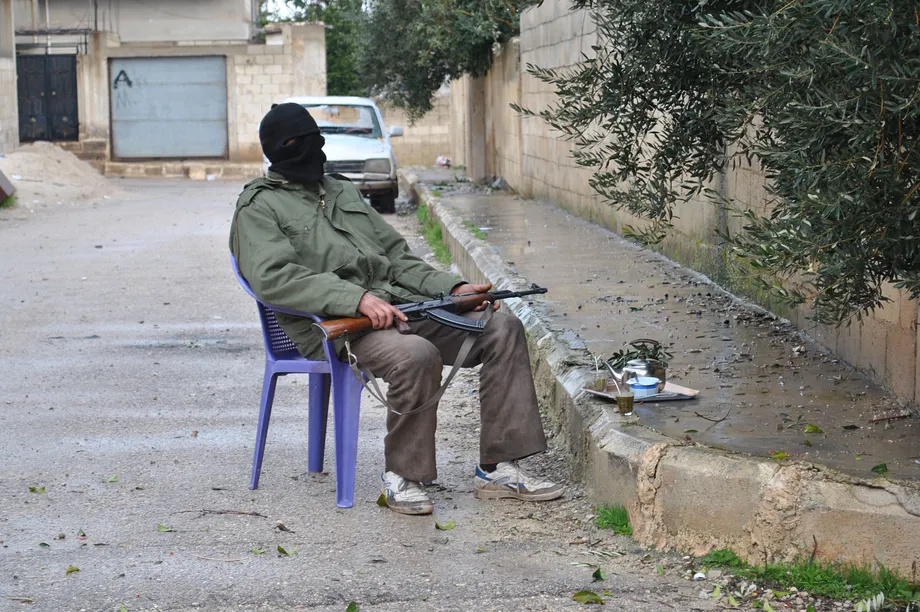
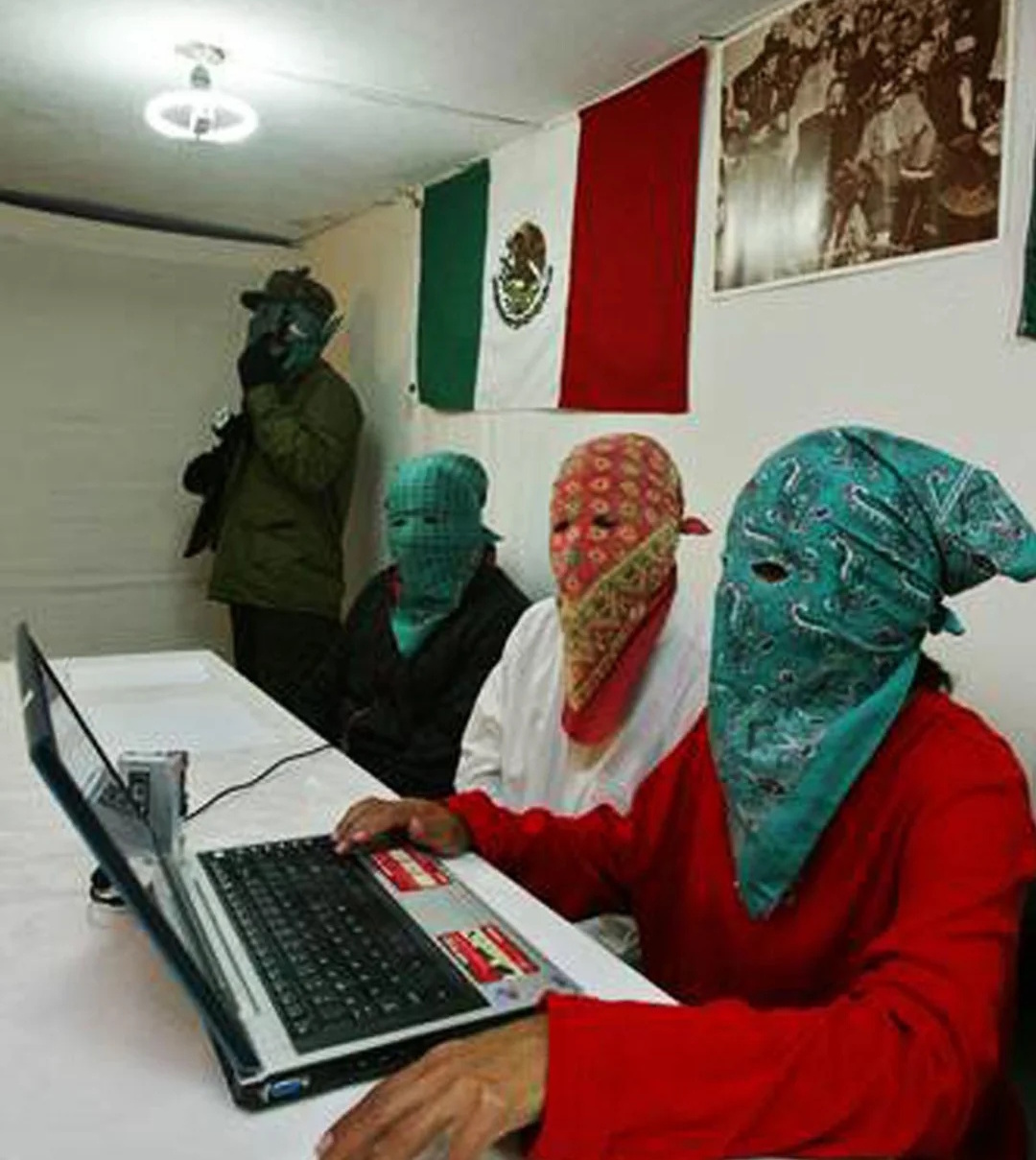
Only through recent technological and economical advances has this aesthetic gained more professional elements, with anyone being able create professional-looking propaganda videos and equipment becoming steadily cheaper and easier to buy. But not everyone wants to hide their imperfection and vulnerable human elements. It adds emotion to a struggle, like glory and tragedy. It generates a form of relatability and sympathy that police or military forces could never count on. And that’s why many insurgents publish photos of masked fighters in everyday situations like drinking tea, playing cards or smoking cigarettes themselves. To fight for humanity, you need to be human yourself.
Scroll gallery to see more. Click on image to enhance.
Naming
When defining an aesthetic, it’s of course not possible to exactly define what counts in and what doesn’t. But with an aesthetic so popular and well-known, I was still surprised that it didn't have a name already.
Sometimes, the term “terrorwave” is being used for something very similar, but that’s also the term for the art style neo nazi designer Dark Foreigner came up with: a heavily edited, harsh style made of strong textures and no colours but red, white and black. More than that, the term can be used for terrorist propaganda making use of cyber wave elements, which became rather popular in some online communities of the 2010s, and later developed into Hyperborean Maximalism, which is flooding TikTok feeds with esoterical lore, conspiracy theories and fascist world views today. But all of these aesthetics describe very modern, professional and digital looks, while the one I wanted to describe is analogue, offline and unfiltered. And it’s not about terrorists specifically either. I won’t be the judge on what’s terrorism and what’s a struggle for freedom. So I will simply call it the Insurgent’s Aesthetic.
Characteristics
- makeshift weaponry: small and large tools, knifes, pistols, rifles, explosives and tech with use marks, modifications or retro status like the AK-47 are omnipresent in photos, videos and symbolism.
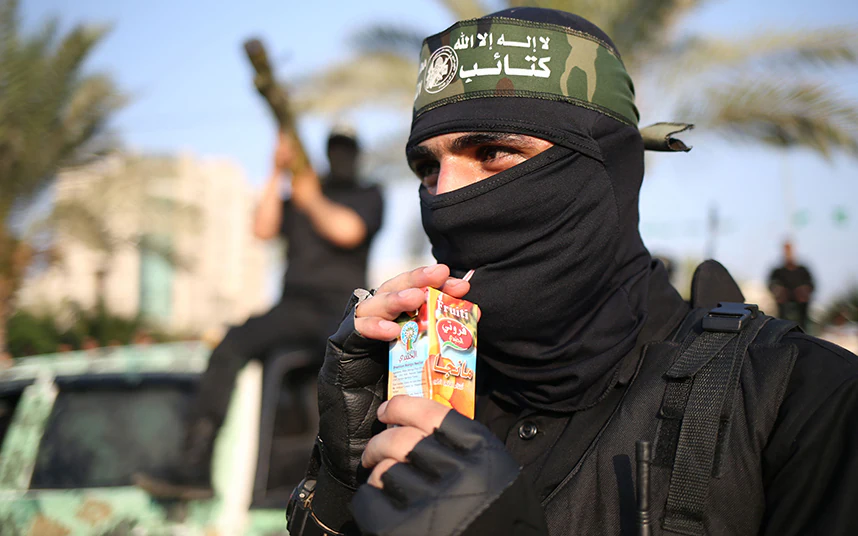
- symbols and colours: each movement and organization has a hand full of unique symbols that are being used excessively. This includes logos, political symbols, faces of popular figures, folk elements and specific bold colours, which stand out against practical, low-saturated backgrounds of black, white, gray and brown.
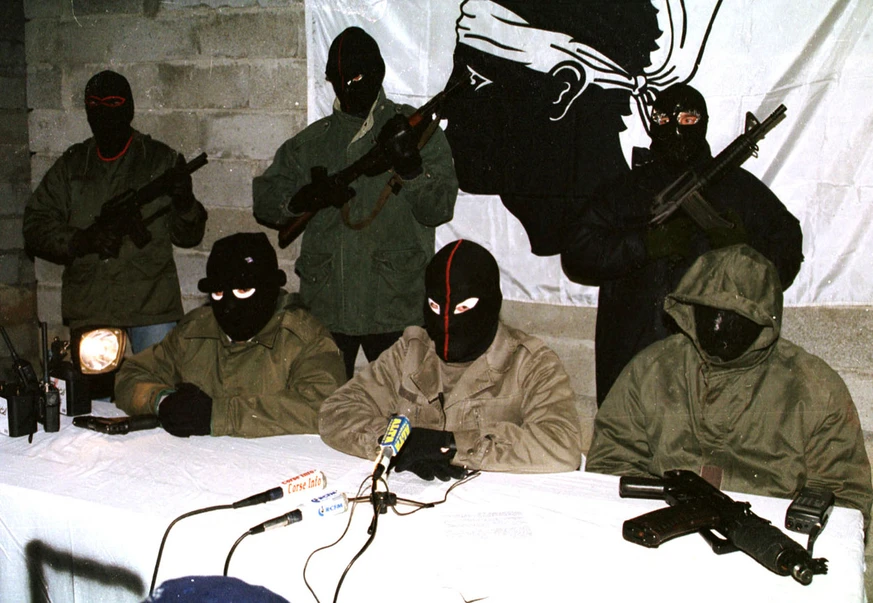
- semi-uniformity, semi-anonymity: fighters wear tactical clothing and work wear in similar colours, but no real uniforms. With their faces usually covered, it can be hard to keep them apart in the chaos of battle, but it’s easy when looking at photos.
- human vulnerability: insurgents are no invincible force. They walk normally, eat, sleep, drink, play and relax just like anyone else. You can look them in the eyes and there's always a little bit of skin visible too.
- low fidelity: originally, black-and-white photography, typewriter texts and cheap copies shaped the aesthetic. Today, it's blurry cell phone videos and rushed web content.
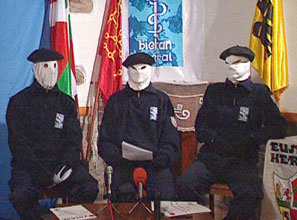
- iconic poses: certain poses and motifs are repeated over and over again; for example, leaders sitting at a chair, reading out loud some declaration or manifesto, while soldiers are posing with weapons and flags.
- focus on content: loud music, flashy visual effects and other heavy editing are not part of this type of propaganda. Instead, videos are often shown unfiltered and uncut.
Appliance
However, Insurgent’s aesthetic is not only about the motifs. All they do is bringing across a point: that there is a real fight with real people and real stories going on. Teenagers can pose with symbols of hooligan, antifa and fascist groups all they want on the internet – the images only gain impact once they win their first fights. If we look at it the other way around, the photos of Ted Kaczynskis arrest, showing him unarmed and weak can still send chills down the spines of everyone who knows who he was – even though he looks like a regular homeless guy to everyone else. All of the icons, weapons and face masks are nothing but symbols, worth nothing without their meanings. No amount of professional equipment or expensive editing can make up for this.
And so, adapting this style is quite easy, as long as you have videos or photos that can speak for themselves. For artistic use, it doesn’t has to be an insurgence, not even violence or crime. Anything with a deeper meaning to it works: activism, graffiti, fast cars, music, travelling or just photos with friends. Incorporate as many of the motifs from above as you can without losing your authenticity, especially reoccurring symbols, flags and phrases in physical form, as intro or watermark. Use imperfect or dim lighting, cover up any faces, make it a little blurry or jpeg-compressed. Otherwise, just keep it real.
This text is part of our Aesthetic Essays series, where we discover and analyse niche aesthetics so you can use them for your own projects. To find out why we write these essays and under which criteria we select the aesthetics, read our Manifesto for an Aesthetic Warfare.